“GENOVESE” BASIL: A JOURNEY THROUGH HISTORY, GENETICS AND MARKETS
The scientific name, Ocimum basilicum, derives from the Greek okimon, meaning aromatic, and basilikón, meaning royal.
Native from India and Southeast Asia, basil traveled the ancient spice routes until it arrived in Genoa, Italy, where it found the ideal habitat to become one of the emblems of the Mediterranean cuisine.
If this plant is present on all continents today, the credit goes primarily to the great Italian emigration, which successfully brought our flavors overseas. Added to this are the expansion of Italian restaurants worldwide and the influx of millions of visitors who, won over by our gastronomy, demand these products in their home countries as well.
Currently, global distribution is structured through three main channels:
Fresh and cut market: Destined for daily consumption in salads, dressings, and traditional dishes such as caprese salad, linguine with pesto, and pizza.

Industry: A sector characterized by large volumes for frozen products, sauces, and industrial pesto, alongside the production of dried basil in specific areas.
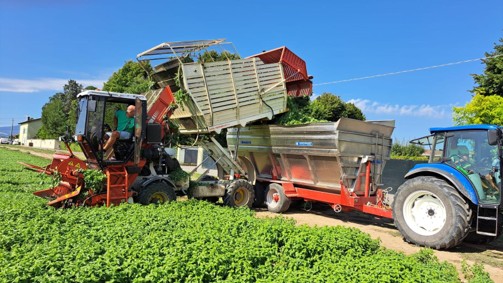
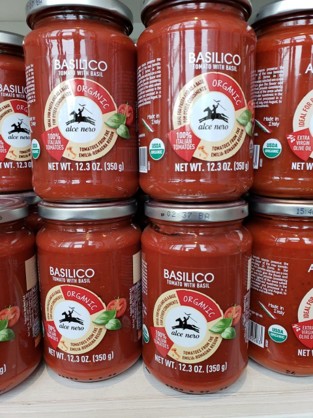
Potted plant: Allows consumers to have fresh leaves directly at home for daily use.
The unmistakable aroma of Genoa basil stems from an optimal and constant balance of essential oils.
GENETICS AND VARIETAL INNOVATION
Field cultivation currently faces several agronomic criticalities.
In addition to downy mildew (Peronospora belbahrii), the threat of fusarium, a soil-borne pathogen that compromises plant vitality, is strongly emerging.
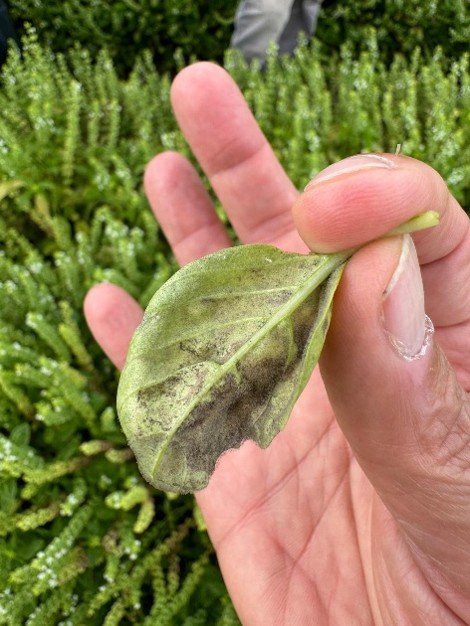
The diversification of geographical areas, the evolution of cultivation techniques, and different end-use destinations make targeted varietal solutions essential, capable of responding to the actual needs of growers.
It is in this scenario that SAIS has invested a constant commitment to genetic improvement for years. Starting from the traditional “ Genovese “ecotype, characterized by spoon-shaped leaves and an unmistakable aromatic profile, we have developed new varieties—some protected by Community Plant Variety Rights—equipped with resistance to downy mildew and, in some cases, fusarium.
Alongside classic lines such as Superbo and Gecom, still in demand by the market, the varieties Gemini, Gentile, Gentleman, Genny, and Gerpot have successfully established themselves—all identified by the prefix “Ge”—particularly appreciated for their excellent aromatic profile and tolerance to major pathogens.
Each variety offers specific agronomic performance to meet growers’ needs across various production, utilization, and destination contexts.
Our research program continues uninterrupted with the upcoming introduction of new high-performance varieties.
CULTIVATION AREAS
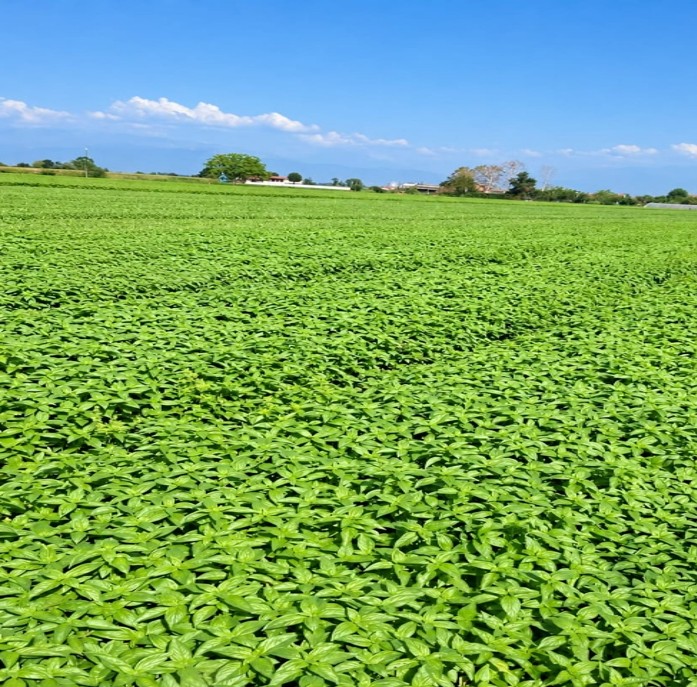
Basil is cultivated both near major consumer markets (Italy, Central and Northern Europe, North America, South America) and in areas specialized in export during periods of scarcity in target markets.
Among the regions characterized by favorable climatic conditions and advanced export logistics are Egypt for dried products, Cyprus in the Mediterranean basin, Ethiopia and Kenya in East Africa, and Colombia, Mexico and Peru in Central and South America.
PRODUCTION TECHNIQUES
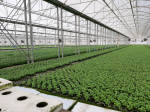
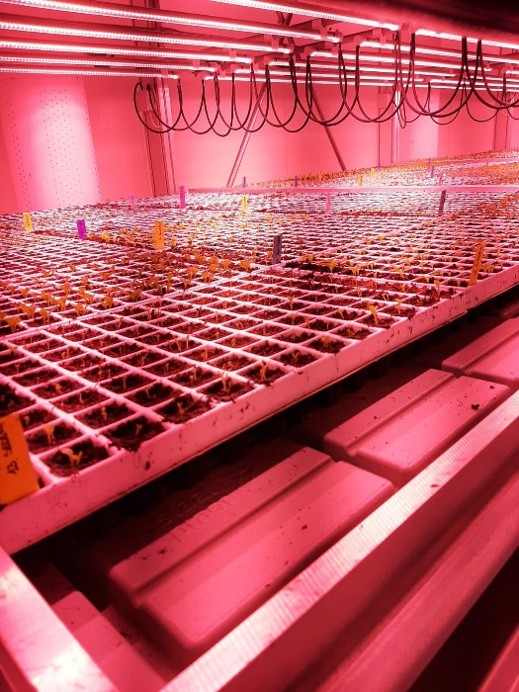
Alongside traditional open-field or greenhouse cultivation, we note a progressive growth in acreage dedicated to soil-less and hi-tech cultivation:
Soil-less: Eliminates issues related to soil-borne pathogens and soil fatigue.
Hydroponics: Optimizes efficiency in the use of water and nutrient solutions.
Floating system: Utilizes floating panels on nutrient solution tanks for optimal crop management.
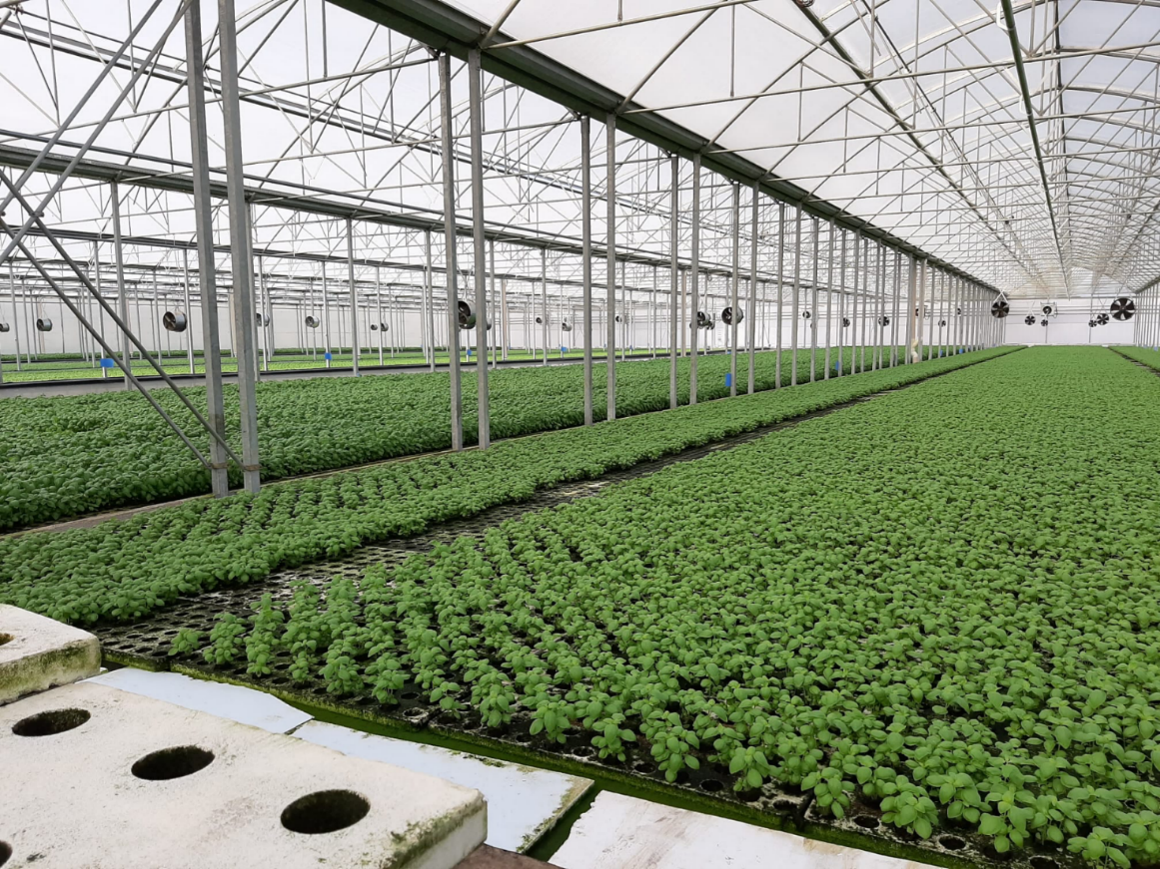
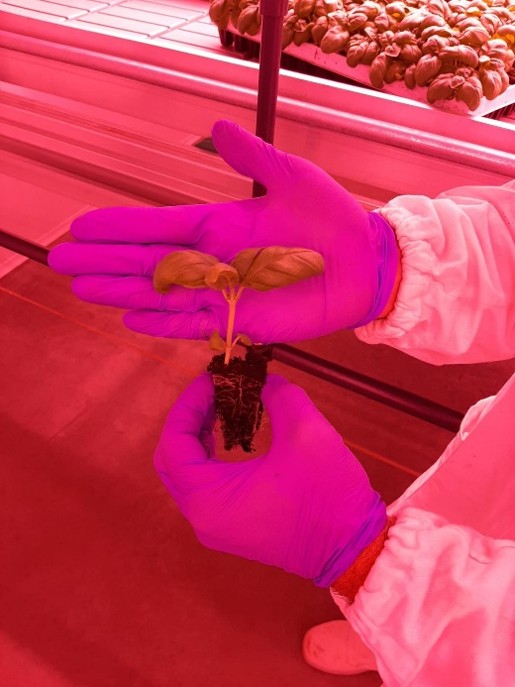
Vertical farming: Enables rapid crop cycles, high density, and a product destined for the high-quality supply chain.
SEED PRODUCTION
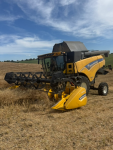
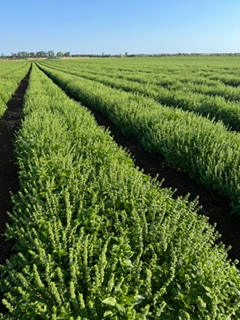
SAIS produces the seeds of its basil varieties predominantly in Italy, adhering to rigorous agronomic protocols.
The post-harvest process involves high-precision mechanical selection to eliminate inhert material and weed seeds, completed by accurate calibration and analysis.
Our primary objective remains to guarantee seeds of excellent quality to growers worldwide.
News