MANAGEMENT CONTROL AS A STRATEGIC COMPASS
In the vegetable seed industry, the complexity of research, variety development and production is constantly intertwined with the dynamics of national and international market cycles. In this highly complex landscape, the role of the Chief Financial Officer has evolved significantly: it is no longer just a matter of handling basic accounting or balancing the accountancy books, but of supporting corporate strategy.
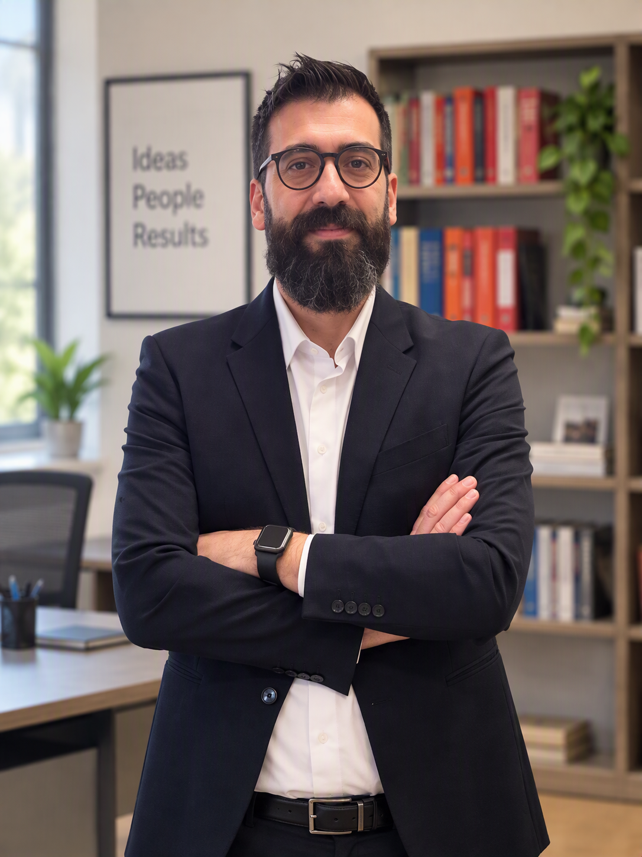
For Dr. Giuseppe Serafini, CFO of SAIS, management control—for which he is directly responsible—is a dynamic tool that provides essential support for business decisions.
In an integrated-cycle company like SAIS, where most operational phases take place in-house, management control must necessarily be closely aligned with day-to-day operations.
“Management control is used to monitor the business’s costs and revenues, allowing us to promptly identify areas for optimization in order to reduce inefficiencies in various processes and ensure a better allocation of resources,” explains Dr. Serafini. “It is an essential tool for ensuring the company’s profitability and guiding management towards the established goals.”
What sets the SAIS model apart is the close correlation between all stages of the production chain. Every single step represents an opportunity for improvement that translates into a competitive edge and superior customer service:
- Field production: where agronomic efficiency and resource management lay the foundation for value.
- Processing and selection: where technology transforms the raw material by standardizing its quality.
- Storage: where warehouse logistics preserve the seeds value and germination capacity.
- Shipping: the final link, crucial for ensuring on-time delivery and reliability in markets around the world.
At SAIS, management control thus serves as the glue that binds these phases together, transforming numerical data into strategic actions ready to address the challenges of an increasingly challenging global market.
News